Language and literacy - Part B

Importance
Hey, language and literacy are creativity's best buddies—they help kids spill their wild ideas, spin tales, and play with words and symbols in the coolest ways! Through storytelling, doodling, pretend games, and scribbling early writing, little ones build that imaginative spark and learn to weave narratives. Literacy boosts chatting, puzzle-solving, and understanding symbols. Creative literacy lets kids make sense of the world, share their views, and dive into feelings. When teachers weave in stories, dramatic play, and fun writing, kids gain that bold confidence to express themselves and sharpen their language skills through pure, meaningful play. It's amazing how a simple story can unlock a child's inner storyteller!
Creativity Theories
Language and literacy really click with some key creativity theories. Vygotsky believed imaginative play and storytelling crank up those higher brain powers. Sociocultural ideas spotlight how group reading and team storytelling fuel it. Reggio Emilia sees literacy as a mix of "languages"—think drawing, writing, and narrating. Gardner's linguistic intelligence celebrates language as a creative force. Constructivist views show kids actively building meaning by messing with symbols. These theories all say literacy creativity blooms when kids invent stories, twist texts, and express ideas through drawings, words, and more. It's like giving them a toolkit to dream up their own worlds!
Materials, Resources & Digital Tools
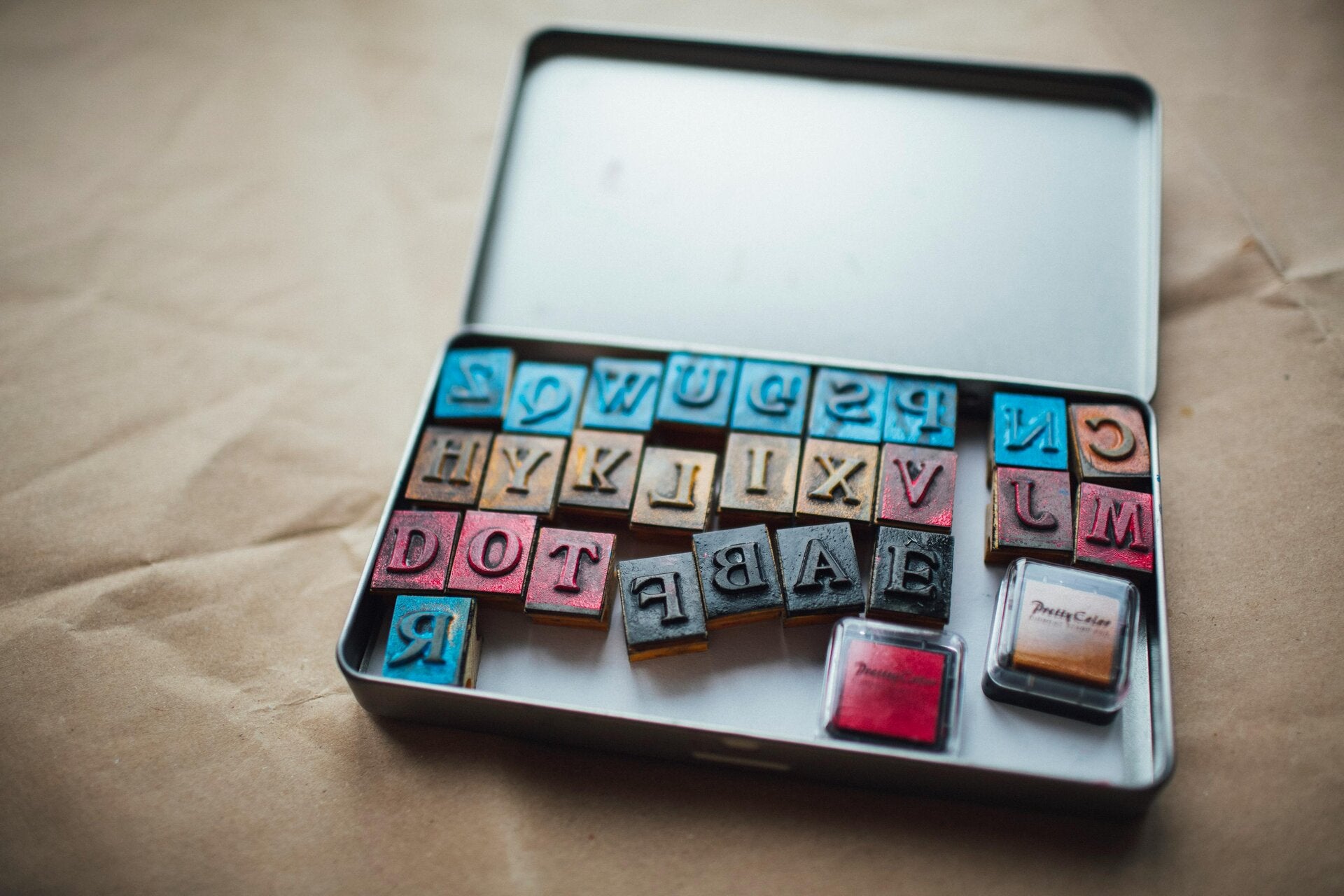
Teachers, stock up on goodies to ignite language and literacy creativity! Picture books, puppets, story stones, blank notebooks, writing tools, magnetic letters, alphabet toys, and drawing supplies are perfect starters. Digital storytelling apps, voice recorders, e-books, kid-friendly typing tools, and interactive websites add that modern twist. Light tables, shadow screens, and digital projectors? They make imaginative storytelling pop. Word banks, vocab cards, and graphic organizers help scaffold creative language. Mixing all this keeps things fun and flexible—kids will be crafting tales and exploring words like pros!
Learning Experiences
0–2 Years
1. Sensory storytelling
Educators use textured objects, sounds, and movement to retell simple stories.
2. Picture book pointing and babbling
Babies explore books and develop early expressive vocalisations.
2–3 Years
3. Story baskets
Toddlers use props to recreate parts of a story.
4. Early mark-making station
Children draw freely with crayons, exploring symbolic creativity.
3–5 Years
5. Story stones
Children create narratives using illustrated stones.
6. Digital storybook creation
Children record their voices and create simple digital stories.
6–8 Years
7. Creative writing prompts
Children write short imaginative stories using sentence starters.
8. Readers' theatre
Children perform simple scripts to build expressive reading.
Language and literacy
Example 1- picture book pointing and bubbling
Age group 2-3 years old
Language and literacy
Example 2 - digital story book creation
Age group 3-5 years old